What Temp Should a Freezer Be?
Worried your freezer isn’t cold enough, or tired of guessing whether your food is staying safe? You’re not alone—many people struggle to find the right setting and choose a reliable appliance thermometer.
This guide will help you understand what temperature your freezer should be and compare products that make monitoring easier.
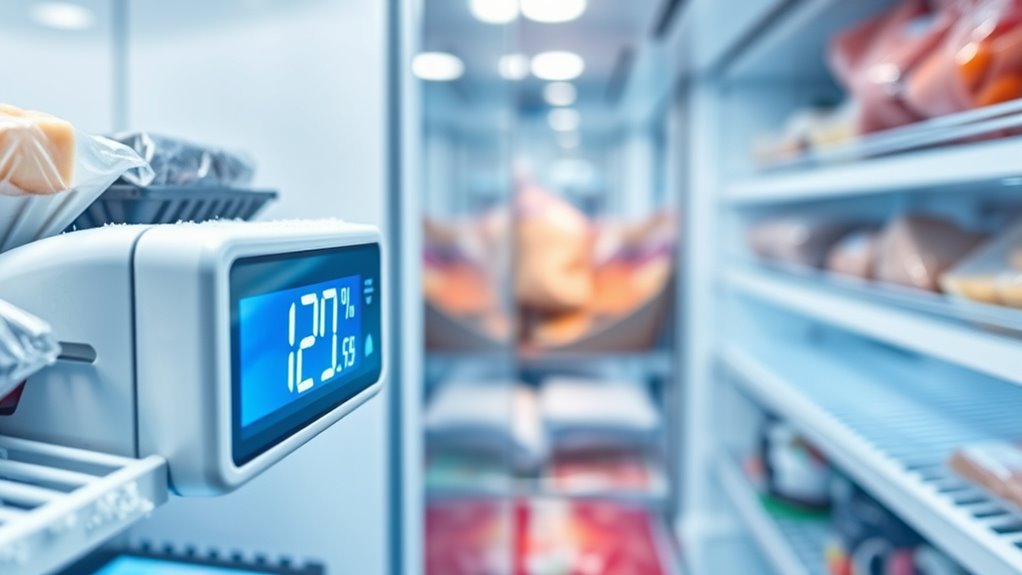
Set your freezer to 0°F (-18°C) or lower to keep food safe and preserve its quality. Use an appliance thermometer to confirm the actual temperature, since the control setting may not be accurate.
Place it on the center shelf, away from vents, walls, and the door. Then wait several hours for a stable reading. Keep the door sealed, vents clear, and frost under control.
If temperatures fluctuate, the following guidance explains how to troubleshoot, protect food, and know when replacement makes sense.
Key Takeaways
- Set your freezer to 0°F (-18°C) or colder for safe, long-term food storage.
- Use an appliance thermometer to verify the actual temperature, rather than relying solely on the control setting.
- Keep the thermometer on the center shelf, away from vents, walls, and the door.
- Maintain consistent temperatures because freezing pauses bacterial growth but does not eliminate all microorganisms.
- Check seals, airflow, and frost buildup if temperatures fluctuate or food develops freezer burn.
What Temperature Should a Freezer Be?
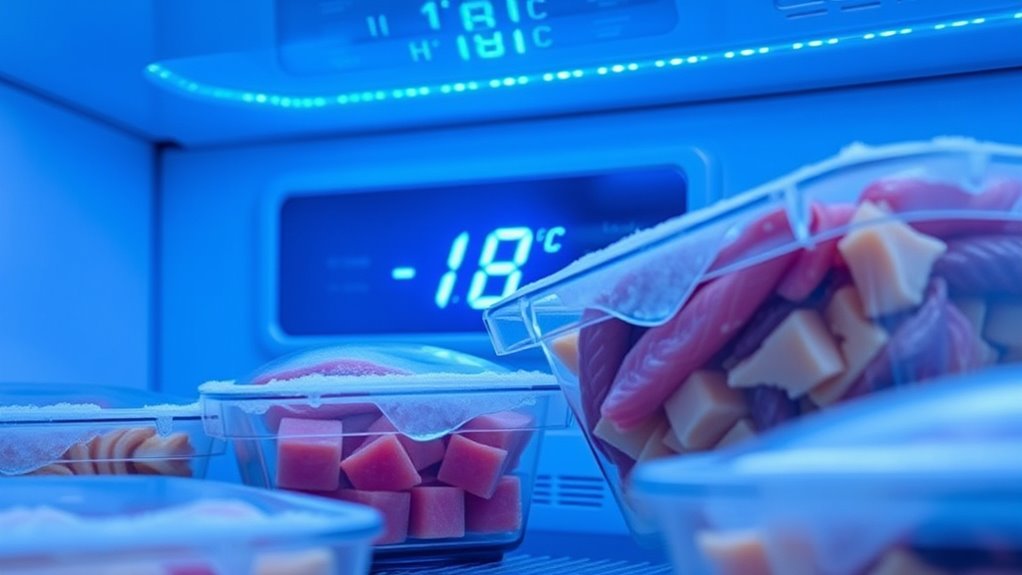
Set your freezer to 0°F (-18°C) or lower to keep food safely frozen and preserve its quality. This setting gives you a reliable target for storing meat, vegetables, prepared meals, and other foods without unnecessary temperature swings.
You can check the temperature with an appliance thermometer, since your freezer’s display may show an estimate rather than the actual internal temperature.
Keep the control at 0°F unless your manufacturer recommends a different setting. If you add a large amount of unfrozen food, use the freezer’s quick-freeze feature, if available, then return to the normal setting.
Avoid placing hot containers inside, and leave space around packages so cold air can circulate. Organize items in sealed, labeled containers to reduce moisture loss and odors.
For frozen desserts, steady temperatures help maintain texture. Ice cream stays smoother when you limit door openings and store it toward the back, where temperatures fluctuate less.
Check the thermometer regularly and adjust the setting when needed.
Why Does 0°F Matter for Food Safety?
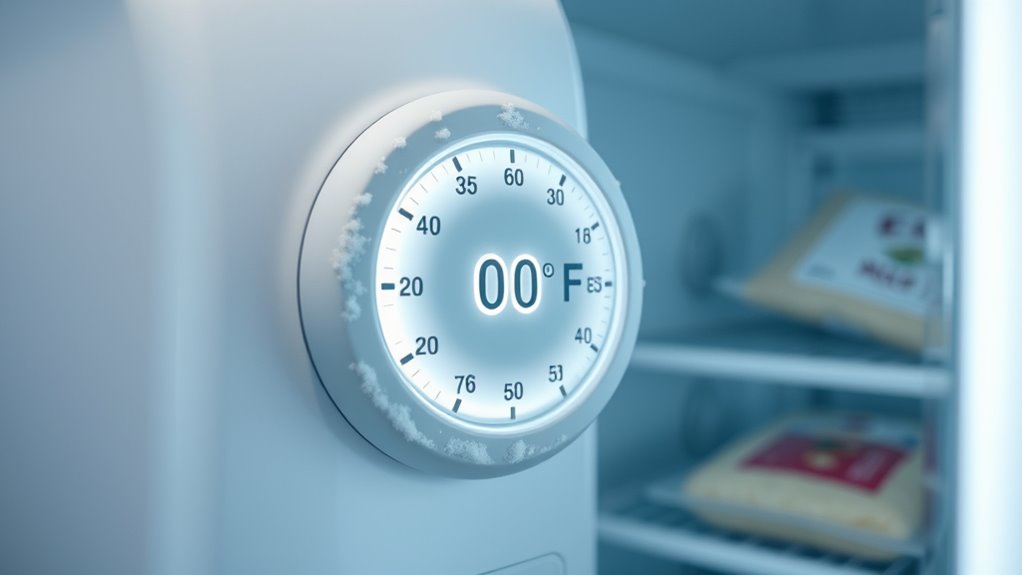
Keeping your freezer at 0°F (-18°C) or lower prevents most bacteria from growing and slows chemical changes that can reduce food quality. Freezing doesn’t kill every microorganism, though; it pauses their activity. When you thaw food, surviving bacteria can become active again, so you should handle and cook it promptly.
This temperature also helps preserve flavor, texture, and nutrients during storage. Warmer conditions allow faster oxidation, moisture loss, and ice crystal formation, which can damage foods and cause freezer burn. Although freezer-burned food remains safe, it may taste dry or stale.
Frozen desserts particularly benefit from consistent cold temperatures. Ice cream and similar products can become icy, grainy, or partially melted when temperatures rise and fall. Keeping food at 0°F helps them retain their intended texture longer.
You should still package food tightly, label it, and follow recommended storage times. Temperature control supports food safety, but it can’t correct spoiled ingredients, poor handling, or unsafe thawing practices. Never refreeze food that has warmed above safe conditions unless you cook it first.
How to Check Your Freezer Temperature
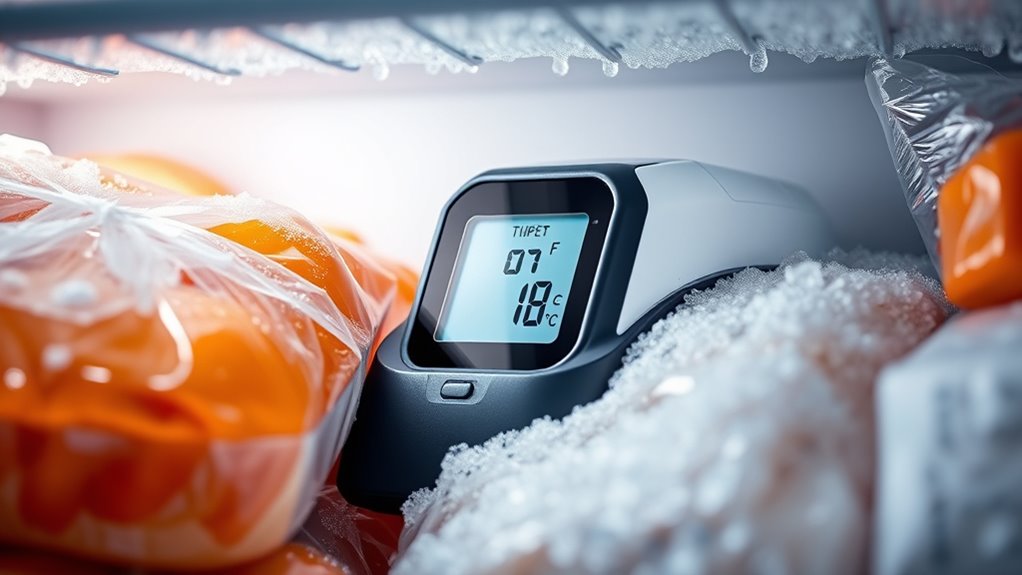
You can check your freezer’s temperature with a freezer thermometer for an accurate reading. First, look at the temperature setting and adjust it to 0°F if needed. Then, wait several hours and check the thermometer again to make sure the temperature has changed.
Use a Freezer Thermometer
A freezer thermometer gives you an accurate reading of the appliance’s actual temperature, which may differ from the control setting. Choose a model designed for freezer use, then place it between frozen packages, away from the door or walls.
Let it sit undisturbed before reading.
| Placement | Why it matters | What you’ll learn |
|---|---|---|
| Package center | Measures surrounding air | Typical storage temperature |
| Near door | Detects warming | Door-related fluctuation |
| Back wall | Reveals cold spots | Uneven cooling |
| Upper shelf | Checks variation | Shelf-to-shelf differences |
Record readings at different times to identify patterns. Check after adding food, defrosting, or noticing ice buildup.
Keep the thermometer visible during freezer organization, and clean its exterior occasionally. A reliable reading helps you recognize temperature problems before food quality suffers.
Avoid placing it directly against frozen items, since contact can distort the measurement.
Check Temperature Settings
After measuring the freezer’s actual temperature, check its control setting to see whether it matches the manufacturer’s recommended range. Find the dial or digital control inside the compartment, near the top, or on the exterior panel.
Compare its number or displayed temperature with your owner’s manual, since settings vary by model. Don’t assume a higher number always means colder; some dials show cooling levels rather than degrees.
Adjust the control gradually, then wait several hours before checking the temperature again. Keep the freezer at 0°F (-18°C) for safe, long-term storage and consistent food quality.
If the setting seems correct but the temperature remains high, inspect the door seal, vents, and surrounding airflow. Proper settings support Energy efficiency, while excessive cooling can encourage Frost buildup and waste electricity.
Where Should You Place a Freezer Thermometer?
Place your freezer thermometer on the center shelf to get the most representative reading. Keep it away from vents, walls, and the door, where temperatures may fluctuate.
You can also check multiple areas to identify uneven cooling and confirm that food is being stored safely.
Center Shelf Placement
For the most accurate reading, position your freezer thermometer on the center shelf, where it reflects the temperature surrounding most of your food. This location gives you a practical picture of the conditions your frozen items experience, rather than the temperature near the door or walls.
Place the thermometer where you can read it easily without moving several containers. Keep it upright or use its built-in stand, depending on the model.
Allow several hours for the reading to stabilize after placing it inside, especially if you’ve recently added groceries. Check the display regularly and record unusual changes.
Good storage organization also helps. Leave enough space around the thermometer so you can see it and maintain an even, representative reading. Replace crowded packages that block your view or press against the device.
Away From Vents
Keep the thermometer away from freezer vents, where direct blasts of cold air can make the reading lower than the temperature around your food. Place it on the center shelf, but position it several inches from the vent opening.
This location helps the thermometer measure the general storage temperature rather than the coldest air stream. Good air circulation still matters, so don’t press the thermometer against packages or the freezer wall.
Leave space around it to let air move naturally and prevent an artificially high or low reading. You’ll get a more useful measurement when the sensor sits among stored items without touching them.
Avoid placing it beneath the vent, where temperature fluctuations can misrepresent the freezer’s normal conditions and prompt unnecessary adjustments to the temperature control.
Check Multiple Zones
Check multiple zones because temperatures can vary between the front, back, upper, and lower shelves. Place one freezer thermometer in the center, where surrounding food won’t block airflow.
Then check the front, back, and different shelf levels to identify warm or cold spots. Don’t position the thermometer directly beside a vent, wall, door, or frozen package, since these locations can distort its reading.
Leave each thermometer in place for several hours, preferably overnight, before recording the temperature. If one area runs warmer, rearrange items, clear blocked vents, or inspect the door seal.
Consistent readings help you protect food quality and spot problems early. Add temperature checks to your Freezer maintenance routine.
Accurate settings also support Energy efficiency by preventing unnecessary overcooling while keeping every zone safely frozen.
How to Keep Your Freezer at 0°F
How can you keep your freezer at 0°F? Start by checking its temperature with an appliance thermometer, since the built-in display may not show the actual reading.
Adjust the control gradually, then wait 24 hours before checking again. Keep the door gasket clean and inspect it for cracks or gaps.
Make gradual adjustments, allow 24 hours between checks, and keep the door gasket clean and intact.
A damaged seal lets warm air enter, forcing the freezer to work harder and causing temperature swings. Open the door only when necessary, and close it firmly each time.
Place the freezer away from ovens, direct sunlight, and other heat sources. Clean the condenser coils according to the manufacturer’s instructions so the unit can release heat efficiently.
Watch for heavy frost, which can restrict airflow and reduce performance. Ice crystal formation on food may signal temperature fluctuations or excess moisture.
If frost builds up, unplug the appliance and follow the manual’s guidance for freezer defrosting. Afterward, restore power and confirm that the temperature returns to 0°F.
How Full Should Your Freezer Be?
Keep your freezer about 70% to 85% full for efficient cooling. A well-stocked freezer retains cold better, but avoid overcrowding it or blocking the air vents. Leave enough room for air to circulate so cold air can reach every item.
Ideal Freezer Capacity
Aim to keep your freezer about 70–85% full, leaving enough space for cold air to circulate around the food. This balance supports steady temperatures without crowding shelves, vents, or drawers.
Arrange packages with small gaps between them, and don’t block interior air outlets. If your freezer is nearly empty, add sealed containers of water to occupy unused space, but leave room for expansion as water freezes.
Avoid overfilling, since tightly packed food can restrict airflow and make temperature control harder. Check the manufacturer’s layout guidelines, especially for frost-free models with dedicated vents.
During freezer maintenance, remove expired items and reorganize contents regularly. A practical capacity also helps you load new food safely without forcing doors closed or damaging containers.
Keep a thermometer visible so you can confirm consistent cooling and adjust your storage habits.
Benefits of a Full Freezer
A well-filled freezer holds its temperature more steadily, so it uses less energy and protects food during brief door openings or power fluctuations. Cold items also help one another stay frozen, reducing the workload on the compressor after you open the door.
That benefit supports Energy efficiency and may help your appliance maintain a consistent temperature near 0°F (-18°C). You’ll also waste less food because a stable environment protects quality and slows temperature-related damage.
Keep packages arranged so you can identify and remove items quickly, limiting warm-air exchange. Leave enough room for air to circulate around stored food and for the door to close completely.
This simple balance makes freezer maintenance easier, supports reliable performance, and helps your freezer recover its set temperature promptly after normal use.
Avoiding Overcrowding
That balance changes when you pack food too tightly. An overcrowded freezer blocks vents, restricts cold-air circulation, and makes your appliance work harder to maintain 0°F (-18°C).
You may also create warm spots that soften food and increase spoilage risk. Leave space around interior vents and avoid pressing packages against the back wall, where frost can build up.
Arrange items in labeled groups so you can find what you need without leaving the door open. For Seasonal storage, remove outdated food before adding fresh batches, and keep a small gap between containers.
Your freezer doesn’t need to be empty, but aim for a comfortably full layout that allows airflow. This practice supports energy efficiency, protects food quality, and helps your freezer maintain a steady, safe temperature.
Why Does Your Freezer Temperature Keep Changing?
Your freezer temperature may keep changing because the appliance cycles on and off, but frequent or dramatic swings often signal a problem with airflow, door seals, overloading, or the thermostat. Each cause affects cooling differently, so notice when the changes occur and how large they are.
| Cause | Temperature effect | Clue |
|---|---|---|
| Door openings | Brief warming | Frequent use |
| Damaged seal | Persistent warming | Visible gaps |
| Blocked vents | Uneven cooling | Warm spots |
| Frost buildup | Fluctuating airflow | Ice-covered walls |
Repeated door openings let warm, humid air inside, reducing Energy efficiency and encouraging Frost buildup.
An overfilled freezer can also restrict circulation, while an almost empty compartment may change temperature quickly because it stores less cold.
A faulty thermostat might misread the interior and trigger cooling at the wrong times. Room temperature matters, too: nearby heat sources or a hot kitchen can make the appliance work harder.
Track the temperature with an appliance thermometer rather than relying on the control setting. Gradual cycling is normal, but sudden, repeated swings deserve attention.
How to Fix a Freezer That’s Too Warm
If your freezer is too warm, start by checking the door seal, clearing blocked vents, and confirming the temperature with an appliance thermometer. Set the control to 0°F (-18°C), then wait 24 hours before judging the result. Make sure you haven’t packed items tightly against interior walls or air outlets; blocked circulation can create warm spots.
Inspect frozen packaging for thawing, leaks, or signs that food has softened. If you find ice buildup around the evaporator vents, unplug the freezer, move food to another appliance, and let the ice melt naturally. Don’t chip it with a knife, which could damage the coils. Clean and dry the interior before restoring power.
Check that the condenser coils aren’t dusty and that the freezer has adequate space around it for ventilation. If it still won’t reach 0°F, or the compressor runs constantly, contact a qualified appliance technician. A faulty thermostat, fan, start relay, or sealed system may require professional repair.
How Long Is Food Safe During a Power Outage?
A full freezer usually keeps food safely frozen for about 48 hours, while a half-full freezer lasts roughly 24 hours, provided you keep the door closed. Every time you open it, cold air escapes and the safe window shrinks.
If power returns sooner, check packages for ice crystals or a firm, frozen center before refreezing or cooking them.
After food thaws, you can safely refreeze it if it still contains ice crystals or remains at 40°F (4°C) or below.
Otherwise, discard perishable meat, seafood, eggs, dairy, and leftovers that have stayed above 40°F for over two hours, or one hour above 90°F. Never taste food to judge safety.
Freezing myths often suggest that a freezer keeps food safe indefinitely during an outage. Temperature myths can also lead you to trust appearance alone.
Use an appliance thermometer when possible, and place frozen foods together to preserve cold. Keep the door shut until you’re ready to assess everything quickly.
When Should You Replace Your Freezer?
Replace your freezer when it no longer holds a safe, consistent temperature, needs frequent repairs, or shows serious damage such as cracked seals, heavy rust, or a failing compressor. If food repeatedly softens, frost builds excessively, or temperatures fluctuate despite cleaning the coils and checking the door seal, schedule a professional inspection or start shopping for a replacement.
Age matters, too. A freezer that’s around 10 to 15 years old may consume more electricity and cost more to operate than a newer model. Compare energy efficiency ratings, estimated annual energy use, and repair costs before deciding. A small improvement in efficiency can offset the purchase price over time.
Consider freezer sizing carefully when replacing your appliance. Choose enough capacity for your household without paying to cool unused space. Measure the available area, including ventilation clearance, and confirm the new unit fits through doorways. Replace sooner if your current freezer lacks safety features, reliable temperature control, or adequate storage for your needs.
Frequently Asked Questions
Can Food Be Refrozen Safely After It Has Thawed?
Yes, you can safely refreeze food after it has thawed if you’ve kept it at 40°F (4°C) or below. Follow food safety guidelines.
Refreeze items thawed in the refrigerator, though quality may decline. Don’t refreeze food thawed on the counter.
If you used cold-water or microwave thawing methods, cook the food immediately before refreezing it.
Discard anything that smells unusual, feels slimy, or remained warm for over two hours.
How Should You Organize Food Inside Your Freezer?
Organize food inside your freezer by grouping similar items together and placing frequently used foods near the front. Use labeled, dated containers or freezer bags, removing excess air to prevent freezer burn.
Keep raw meat sealed on the lowest shelf to avoid leaks, while storing ready-to-eat foods above it. Leave space between packages for airflow, and rotate older items forward.
These freezer organization and food storage tips help you find food quickly and reduce waste.
What Freezer Containers Prevent Freezer Burn?
Airtight containers can reduce freezer burn by limiting food’s exposure to air, which causes moisture loss and icy patches. Choose rigid plastic or glass containers with tight-fitting lids, leaving little headspace for air.
Heavy-duty freezer bags work well when you press out excess air before sealing. Your choice of container material supports freezer stability, helping food retain texture and flavor.
Avoid thin storage bags, loosely wrapped packages, and containers not labeled freezer-safe for best results.
How Can You Reduce Unpleasant Freezer Odors?
Reduce unpleasant freezer odors by removing spoiled food, wiping spills, and washing shelves with warm, soapy water. Dry everything thoroughly before returning food.
Seal items in airtight containers or freezer bags, and label them with dates. For odor absorption, place an open box of baking soda, activated charcoal, or coffee grounds inside.
Replace it regularly. Freezer deodorants can provide extra freshness, but they won’t replace cleaning. Keep strong-smelling foods tightly wrapped to prevent lingering aromas.
What Foods Should Never Be Stored in the Freezer?
About 30% of frozen foods develop quality problems from poor storage, so you shouldn’t freeze foods that separate, become watery, or lose texture.
Avoid leafy salads, cucumbers, raw potatoes, creamy sauces, custards, and soft cheeses. Don’t freeze eggs in their shells or carbonated drinks, which can burst.
Keep frozen dessert tightly sealed, and don’t use ice cube trays for strong-smelling liquids unless you want lingering odors. Fresh bread, meat, and vegetables generally freeze well.
Conclusion
Keep your freezer at 0°F (-18°C) to preserve food safely and maintain quality. Check its temperature with an appliance thermometer, keep the door closed, and avoid overloading it.
If temperatures fluctuate, inspect the seal, airflow, and settings before calling a technician. During a power outage, food generally remains safe for about 48 hours if the freezer stays closed.
If your freezer can’t hold 0°F consistently, replace it. Don’t let it become your household’s olden-day icehouse. Keeping the right freezer temperature helps protect your food and maintain its quality.