How Does an Induction Hot Plate Work?
As an Amazon Associate, I earn from qualifying purchases. This post contains affiliate links. Which means I may earn a small commission when make a purchase through my links, at no additional cost to you.
Trying to cook quickly without heating up your entire kitchen can be frustrating. You’re not alone—many home cooks want faster, more efficient cooking without sacrificing control.
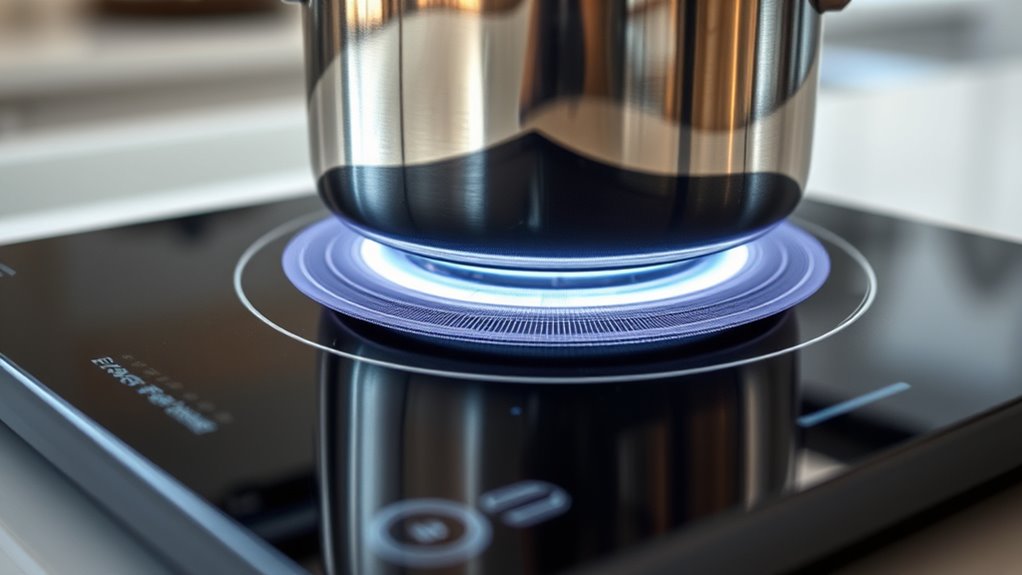
An induction hot plate uses an electronic coil to create a rapidly changing magnetic field beneath its ceramic surface. When you place magnetic cookware, such as cast iron or magnetic stainless steel, on the zone, eddy currents form inside the pan and generate heat directly.
You’ll cook quickly and efficiently because little energy warms the surface. Sensors adjust power and detect suitable cookware, while safety features help prevent overheating.
Keep reading to explore cookware tips, benefits, and limitations of induction hot plates.
Key Takeaways
- An induction coil beneath the ceramic surface creates a rapidly alternating magnetic field.
- The magnetic field induces eddy currents in compatible cookware, generating heat directly inside the pan.
- Heat transfers from the cookware to food, while the glass surface stays relatively cool.
- Electronic sensors regulate power and temperature, enabling fast, precise cooking control.
- Pan detection and automatic shutoff improve safety, but cookware must have a flat, magnetic base.
How Does an Induction Hot Plate Work?

An induction hot plate heats cookware by using an alternating magnetic field rather than a flame or traditional heating element. When you turn it on, electronic controls send power to an induction coil beneath the ceramic surface.
Your compatible pan becomes the active heating component, while the surrounding surface stays relatively cooler. This design creates direct energy transfer from the appliance to the cookware, reducing wasted heat and helping food cook efficiently.
You place the pan on the marked cooking zone and select a temperature or power level through the control panel. Sensors can detect whether suitable cookware is present and may stop operation if you remove it.
Many models also provide automatic shutoff, overheating protection, residual-heat indicators, and child locks. These features support common safety standards and make the appliance easier to use safely.
You should follow the manufacturer’s instructions, keep the surface dry, and use cookware designed for induction cooking.
How Does the Induction Coil Create Heat?
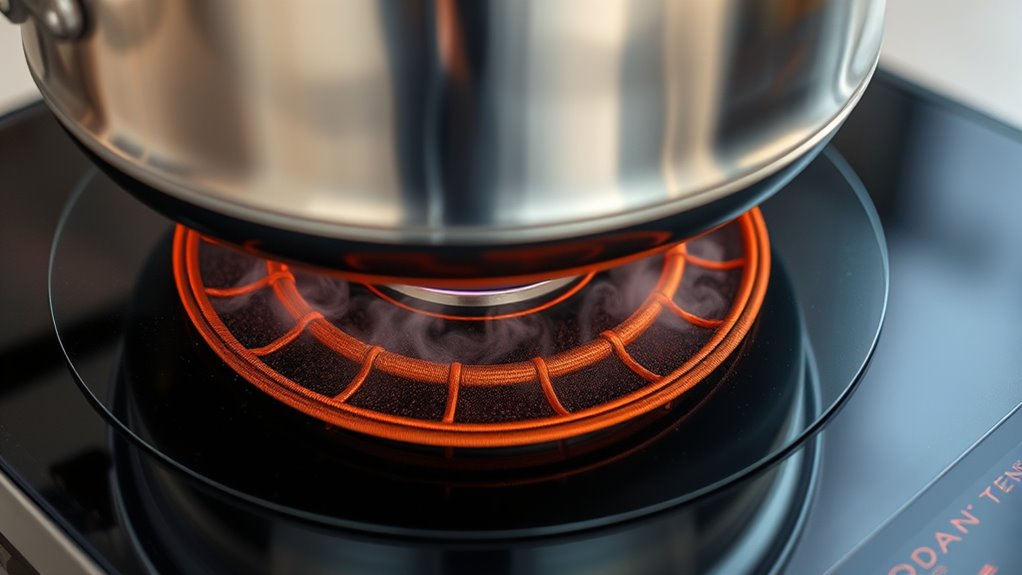
When you switch on an induction hot plate, alternating electrical current flows through the copper coil beneath the ceramic surface, creating a rapidly changing magnetic field. This process uses induction technology and electromagnetic principles to generate energy without a traditional flame or glowing heating element.
As the current changes direction many times per second, the coil’s field continually expands and collapses. The control circuit adjusts this electrical activity, letting you select the desired power level.
| Component | Action | Result |
|---|---|---|
| Power circuit | Sends alternating current | Coil receives energy |
| Copper coil | Produces magnetic flux | Field changes rapidly |
| Control board | Regulates frequency and power | Heating output responds |
The coil itself doesn’t become the primary heat source. Instead, it transfers energy through its changing field, while insulation and the ceramic surface help protect surrounding components.
You get quick, precisely controlled operation because the system responds almost instantly when you change the setting. Its efficiency comes from directing electromagnetic energy where it’s needed, minimizing wasted heat beneath the cooking zone.
How Does the Pan Heat Up?

Your induction hot plate creates a magnetic field that interacts with the pan’s magnetic metal. This interaction produces tiny electrical currents, called eddy currents, inside the pan. As these currents flow, they generate heat, warming the pan and its contents.
Magnetic Field Interaction
As the induction cooktop’s alternating current flows through its coil, it creates a rapidly changing magnetic field that passes through the pan’s metal base. You can think of this field as invisible energy crossing the pan without direct contact.
The amount crossing the base is called magnetic flux. As the field changes, electromagnetic induction produces an electrical response within the pan’s conductive material.
The pan’s material, thickness, and distance from the coil affect how strongly it responds. A compatible iron or steel base interacts efficiently, while glass, copper, or aluminum usually won’t respond without a magnetic layer.
| Factor | Effect |
|---|---|
| Changing field | Interacts with the pan |
| Magnetic base | Responds efficiently |
This interaction transfers energy from the cooktop to the pan, preparing it for the heating process that follows.
Eddy Currents Generate Heat
The changing magnetic field drives circulating electrical currents, called eddy currents, through the pan’s conductive base. This process, known as Electromagnetic induction, makes the metal’s electrical resistance convert moving electrons into heat.
As you place a compatible pan on the hot plate, the induction coil rapidly reverses its magnetic field, creating countless current loops inside the base. Those loops encounter resistance, and that resistance releases energy directly where you need it: in the pan.
The pan then transfers heat to your food through conduction, while convection circulates heat through liquids and air. These Heat transfer mechanisms warm ingredients efficiently without heating the cooktop as much.
You’ll notice faster heating, responsive temperature changes, and less wasted energy than with traditional electric burners during everyday cooking and simmering tasks.
Which Cookware Works on an Induction Hot Plate?
You’ll need cookware made from magnetic materials, such as cast iron or magnetic stainless steel. Make sure each pan has a flat, induction-compatible base so heat transfers efficiently.
Magnetic Cookware Materials
Which cookware works on an induction hot plate? You’ll need cookware materials that respond to a magnetic field. Cast iron and magnetic stainless steel usually work because they contain enough iron to interact with the cooktop’s electromagnetic energy.
Some carbon-steel pans also work well, offering a lighter alternative to cast iron. You can test a pan quickly by holding a magnet against its exterior: if the magnet sticks firmly, the cookware will generally activate the burner.
However, magnetic attraction alone doesn’t guarantee ideal cooking performance, so follow the manufacturer’s guidance when possible. Copper, aluminum, glass, and ceramic cookware typically won’t work by themselves because they aren’t ferromagnetic.
You can still use those materials only when the manufacturer specifically identifies them as induction-compatible through an integrated magnetic construction. Always verify compatibility before heating.
Induction-Compatible Pan Bases
A flat, induction-compatible pan base lets the electromagnetic field transfer energy efficiently into the cookware. Choose pans made from magnetic stainless steel or cast iron, and check for an induction symbol on the packaging.
The base should sit completely flat against the hot plate. Warped or rounded bottoms reduce contact and heat unevenly.
A pan that’s too small might not trigger the burner, while an oversized base may heat less consistently.
You can test unfamiliar cookware by holding a magnet against its underside. If the magnet sticks firmly, the pan will usually work.
Keep the base clean and dry to maintain contact and support Cooking safety. Matching the pan’s diameter to the heating zone also improves Energy savings, reduces wasted heat, and helps your food cook more evenly.
How Does an Induction Hot Plate Control Temperature?
An induction hot plate controls temperature by adjusting the magnetic field’s power based on feedback from a built-in sensor. As you select a setting, the control circuit increases or reduces energy reaching the coil. The sensor monitors cookware temperature and signals rapid corrections, helping your meal cook consistently.
- You get responsive heat changes when you raise or lower the setting.
- You can choose precise levels for simmering, sautéing, or boiling.
- The controller cycles power smoothly instead of relying only on fixed output.
- Automatic shutoff can activate if the unit detects overheating or no cookware.
- You’ll use less energy because the plate supplies only the power you need.
This feedback system supports Cooking safety by limiting excessive temperatures and reacting quickly to unusual conditions. It also improves Electric efficiency, since the appliance avoids continuously running at maximum power.
Your selected setting still depends on the pan, its contents, and the sensor’s contact with the cooking surface. Adjust gradually and watch delicate foods.
Digital displays, timers, and preset programs may further refine control, though each model’s accuracy and response speed can vary.
Why Does the Induction Surface Stay Relatively Cool?
Because induction heats the cookware directly, the glass surface doesn’t generate most of the heat itself and stays relatively cool. A coil beneath the glass creates a changing magnetic field.
When you place compatible cookware above it, that field produces electrical currents in the pan’s metal. The pan then creates heat, while the glass receives only limited warmth through contact with the pan.
You’ll notice the surface may still become warm, especially around a hot pot or after extended cooking. However, it generally transfers less heat than a conventional electric burner, which heats its element before heating the cookware.
This direct process improves cooking speed and can reduce energy consumption because less heat escapes into the surrounding area.
| Heat source | Primary location | Surface warmth |
|---|---|---|
| Induction | Cookware | Relatively low |
| Electric coil | Heating element | Higher |
| Gas flame | Pan and surrounding air | Variable |
The glass also spreads residual heat across its surface, helping prevent concentrated hot spots during normal use.
Which Safety Features Do Induction Hot Plates Have?
You’ll benefit from automatic pan detection, which turns the hot plate off when you remove compatible cookware. Overheat protection helps prevent excessive temperatures and potential damage, too. Together, these features make induction cooking safer and easier to control.
Automatic Pan Detection
Automatic pan detection uses the cooktop’s induction coil to sense whether compatible cookware is positioned on the cooking zone. When you place a magnetic pan there, the unit recognizes it and enables heating. Remove the pan, and it typically pauses or shuts off, helping prevent accidental operation and wasted energy.
Smart sensors monitor the zone and communicate the result through the user interface. You’ll usually see a pan symbol, indicator light, or error message when cookware is missing or unsuitable.
Look for these useful responses:
- Heating starts only with compatible cookware.
- The display alerts you when no pan is detected.
- Removing the pan pauses the cooking zone.
- Small cookware may trigger a warning.
- Repositioning the pan can restore operation.
This feature helps you cook confidently while reducing unintended activation. It also makes the hot plate easier to use, especially when you’re multitasking.
Overheat Protection
Beyond detecting compatible cookware, an induction hot plate monitors its temperature to prevent overheating. Sensors track the cooking surface and internal components, then adjust power when temperatures rise too high. If heat continues climbing, the unit may shut down automatically, protecting you, your cookware, and the countertop beneath it.
Many models provide overheat alerts through beeps, flashing displays, or error codes, so you’ll know why heating has stopped. Safety cut offs also activate when you leave an empty pan on the zone, use unsuitable cookware, or block ventilation openings.
To support these protections, keep the air vents clear, avoid covering the control panel, and follow the manufacturer’s instructions. Don’t restart the hot plate immediately after a shutdown; let it cool first. These safeguards reduce fire risks and help extend the appliance’s working life.
How Energy-Efficient Are Induction Hot Plates?
Induction hot plates are highly energy-efficient because they transfer heat directly to compatible cookware instead of heating a burner and the surrounding air. You’ll typically waste less electricity than with traditional electric resistance or gas cooking, since the magnetic field energizes the pan itself.
Faster heating also means you may use the appliance for less time, increasing energy savings.
Your actual efficiency depends on pan quality, cookware size, temperature settings, and cooking habits. Keep the pan centered and use a flat, induction-compatible base to transfer energy effectively.
A lid can shorten cooking time further, reducing electricity consumption.
- Direct heat reaches the pan
- Minimal heat escapes into your kitchen
- Precise controls prevent unnecessary energy use
- Shorter cooking times reduce power demand
- Lower consumption can reduce your environmental impact
Although your electricity source affects total emissions, using less energy generally supports a smaller household carbon footprint.
Compare wattage and cooking duration when estimating savings, and switch the unit off promptly after cooking.
What Are the Benefits of Induction Cooking?
Cooking with an induction hot plate offers faster heating, precise temperature control, and improved safety. You can boil water quickly because electromagnetic energy heats your cookware directly rather than warming a burner first.
This direct transfer also helps you adjust heat instantly, so you’ll simmer sauces gently and reduce the risk of scorching.
You’ll appreciate the cooler cooking surface, which heats mainly from the pan, making accidental contact less hazardous after you remove cookware.
Many models include automatic shutoff and pan detection, adding practical protection during busy meal preparation. You can also clean spills more easily because the smooth glass surface has no raised coils or grates.
The historical development of induction technology has made these appliances more accessible, compact, and user-friendly.
Their environmental impact can be favorable because efficient heat transfer may reduce electricity use, especially when you cook regularly. You’ll also enjoy a quieter, cleaner kitchen experience with less wasted heat entering your room.
What Are the Limitations of Induction Hot Plates?
Despite their advantages, induction hot plates have limitations, including higher upfront costs, compatibility requirements, and dependence on electricity. You’ll need cookware containing magnetic materials, such as cast iron or magnetic stainless steel.
Induction hot plates require compatible magnetic cookware, reliable electricity, and a higher initial investment than basic burners.
Aluminum, copper, and glass won’t heat unless they include a compatible base.
You may also encounter these drawbacks:
- Power interruptions stop cooking immediately.
- Small heating zones can limit pan size.
- Fans may produce noticeable operating noise.
- Scratches can affect surface durability.
- Repairs may cost more than basic burners.
Because energy transfer depends on electromagnetic induction, the pan must sit correctly on the cooking zone. Poor alignment or an unsuitable base can reduce heating performance.
Although the glass surface cleans easily, you’ll need to avoid dragging rough cookware across it and prevent impacts that could crack it.
Induction models also require access to a reliable electrical outlet, making them less practical during outages or in locations without steady power.
Finally, you may need to replace familiar cookware, adding expense beyond the hot plate’s purchase price.
Frequently Asked Questions
How Do You Clean and Maintain an Induction Hot Plate?
Clean your induction hot plate after it cools. Wipe spills with a soft, damp cloth and mild dish soap, then dry the surface completely.
For stuck residue, use a cooktop scraper gently. Avoid abrasive pads, powders, and harsh chemicals.
Your cookware compatibility matters. Use flat, induction-safe pans to prevent scratches and uneven heating. These surface cleaning techniques keep sensors responsive.
Don’t immerse the unit, block vents, or operate it with a damaged cord.
Can Induction Hot Plates Be Used During Power Outages?
No, you can’t use an induction hot plate during a power outage because it requires electricity to create heat. For reliable power outage solutions, consider backup cooking options such as a gas camping stove, portable butane burner, charcoal grill, or outdoor propane cooker.
Always use fuel-burning appliances outdoors, away from windows and doors, to prevent carbon monoxide poisoning. You can also prepare shelf-stable meals, keep a manual can opener available, and follow local safety guidance.
Are Induction Hot Plates Noisy While Operating?
Are you wondering whether an induction hot plate is noisy? Usually, you’ll hear only a soft hum, fan, or occasional clicking during operation.
Its noise levels depend on the cookware, power setting, and model. Poorly matched or lightweight pans may vibrate and create more sound emission.
The cooling fan can also become noticeable at higher temperatures. Most units remain quieter than gas burners, though silence isn’t guaranteed, especially during prolonged, high-power cooking sessions.
How Much Electricity Does an Induction Hot Plate Consume?
You’ll typically use 1,200–1,800 watts on high, so one hour consumes 1.2–1.8 kilowatt-hours (kWh). At medium settings, your power consumption drops considerably because the unit cycles or reduces output.
Your actual cost depends on your electricity rate and cooking time. Multiply kWh by your price per kWh.
Induction offers excellent energy efficiency by transferring heat directly into compatible cookware. This often reduces cooking time and energy waste compared with conventional electric hot plates.
Can People With Pacemakers Safely Use Induction Hot Plates?
Your heart’s steady rhythm comes first: you can usually use an induction hot plate with a pacemaker, but you shouldn’t ignore precautions. Pacemaker safety depends on your device and the cooktop’s strength.
Magnetic interference may occur if you place the implant directly over the active surface, so keep at least 60 centimeters (24 inches) between them. Don’t lean against the cooktop.
Check your pacemaker manufacturer’s guidance, and ask your cardiologist if you’re uncertain.
Conclusion
Induction hot plates turn electricity into a focused magnetic field, heating your compatible pan instead of the surrounding air. You get fast, precise cooking with less wasted energy, while built-in safety features help keep operation controlled.
Still, you’ll need magnetic cookware, and the smooth glass surface requires care. Think of induction cooking as a quiet, targeted flame beneath the pan: efficient, responsive, and remarkably cool everywhere else.
Choose an induction hot plate when speed, safety, and control matter most.