What Should My Freezer Temperature Be?
Many people struggle to keep their freezer at the right temperature. Food can develop freezer burn, lose quality, or even become unsafe when the temperature fluctuates—but you’re not alone. Finding the best freezer temperature is easier with the right guidance and a reliable thermometer.
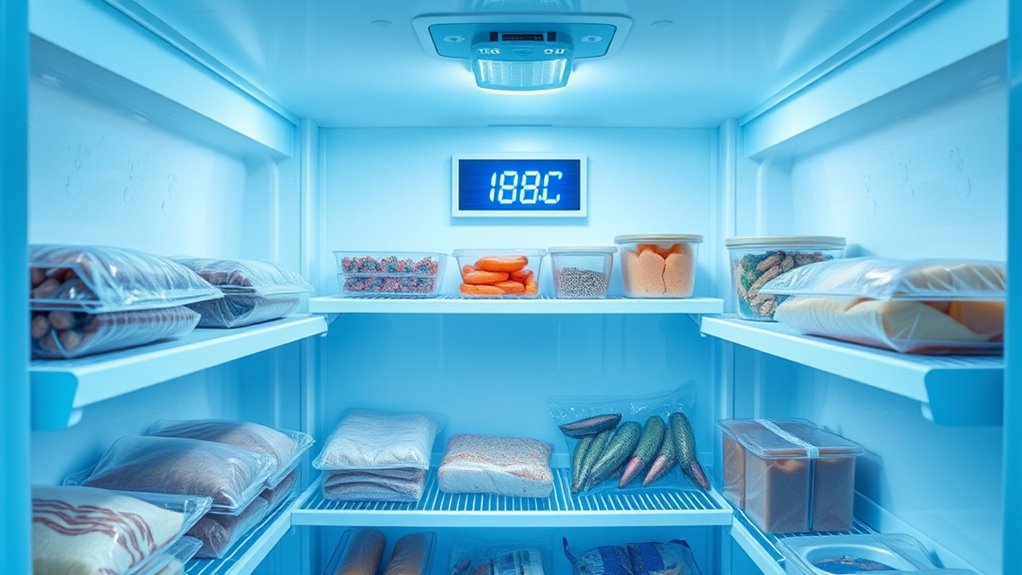
Set your freezer to 0°F (-18°C) to keep food safely frozen and maintain its quality, texture, flavor, and nutrients. Check the temperature with a standalone thermometer placed in the center, away from walls, vents, food, and the door.
Keep the freezer about 70–85% full, but don’t block airflow or open the door unnecessarily. Verify the temperature after adjustments or during seasonal changes.
If your freezer stays warm, these practical troubleshooting steps can help.
Key Takeaways
- Set your freezer to 0°F (-18°C) to keep food safely frozen and preserve quality.
- Verify the temperature with a standalone thermometer placed in the freezer’s center.
- Keep the freezer 70–85% full, while leaving space around vents for proper airflow.
- Limit door openings and check seals regularly to maintain a steady temperature.
- After adjusting settings, wait several hours or overnight, then confirm the freezer stabilizes at 0°F.
What Temperature Should a Freezer Be?

What temperature should a freezer be? Set your freezer to 0°F (-18°C) for dependable food storage. This setting keeps frozen foods solid and gives you a practical target for everyday use.
Set your freezer to 0°F (-18°C) to keep frozen foods solid and safely stored.
If your appliance includes a digital control, select 0°F. Otherwise, adjust its dial according to the manufacturer’s instructions.
Use a standalone freezer thermometer to check the actual temperature, since the dial may not show degrees accurately. Place the thermometer inside the freezer, away from the door, and wait several hours before reading it.
Check again after loading groceries or changing the setting.
For frozen snacks, 0°F helps maintain a firm texture and makes items easy to portion. Ice cream storage also benefits from this temperature, although your preferred firmness may vary.
Keep the door closed while the freezer reaches the target. Avoid packing food so tightly that cold air can’t circulate, and follow your appliance manual if it specifies a different setting.
Why Does Freezer Temperature Matter?

Setting your freezer to 0°F (-18°C) matters because it keeps food safely frozen, preserves quality, and slows changes that cause freezer burn. At this temperature, you help prevent harmful bacteria from multiplying while maintaining the texture, flavor, and nutritional value of many foods.
Consistent freezing also supports reliable food preservation, so meat, produce, prepared meals, and leftovers can stay usable longer when you package and store them properly.
The right setting protects your budget, too. When food remains safe and appealing, you’re less likely to throw it away because of spoilage or severe ice damage.
Keeping the freezer near the recommended temperature can also support energy efficiency. An excessively cold setting may waste electricity without meaningfully improving safety, while a warmer setting can make the compressor work harder as conditions fluctuate.
A stable temperature helps your appliance operate predictably and keeps stored food dependable. It’s a simple setting with significant benefits for safety, quality, savings, and convenience.
How Do You Check Freezer Temperature?
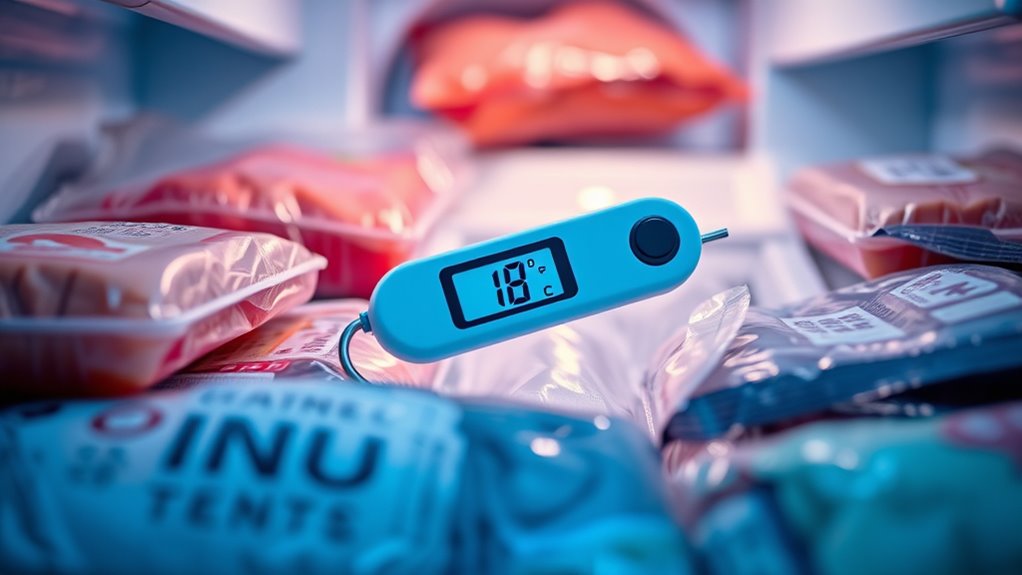
You can use a freezer thermometer to get an accurate reading. Check the temperature regularly to make sure it stays at the recommended setting. Keep an eye on any changes so you can adjust the freezer before food safety becomes a concern.
Use A Freezer Thermometer
A freezer thermometer gives you an accurate reading of the compartment’s actual temperature, which may differ from the control-panel setting. Choose a refrigerator-freezer model with a clear display and a range below 0°F. Place it in a central spot, away from the door, vents, walls, and frozen packages. Keep it visible enough to read without disturbing your food.
Use these storage tips when positioning the thermometer:
- Select a sturdy, easy-to-read design.
- Hang or stand it securely inside.
- Keep it away from direct contact with food.
- Avoid placing it beside the ice maker.
- Leave it in place for consistent monitoring.
A reliable thermometer helps protect meat, vegetables, and frozen snacks from unsafe warming. It also gives you confidence when the appliance’s built-in indicator seems unreliable. Choose a model that’s easy to clean and won’t break if it shifts during loading.
Check The Temperature
To check your freezer temperature, place the thermometer in the center and leave it undisturbed for several hours, preferably overnight. Keep the door closed during this reading so warm air doesn’t affect the result.
Afterward, read the thermometer without removing it, if possible. Your freezer should generally register 0°F (-18°C), though you should follow your appliance manufacturer’s guidance.
If the reading differs, adjust the control gradually and retest using the same method. Don’t place the thermometer against a wall, near the door, or beside food, since these locations may give misleading results.
Check the display on a digital thermometer or read the dial at eye level. Proper storage organization helps air circulate, while good energy efficiency keeps temperatures stable and reduces unnecessary cooling demands.
Avoid overloading shelves, too.
Monitor Temperature Changes
Since freezer temperatures can fluctuate during defrost cycles or frequent door openings, monitor the reading over several days rather than relying on a single check. Place an appliance thermometer between frozen packages, where it measures the surrounding air accurately. Check it at the same times each day, preferably before breakfast, and record every result.
- Keep the thermometer away from the door, walls, and vents.
- Limit door openings while you collect readings.
- Note defrost cycles, power outages, or unusually warm weather.
- Adjust the setting gradually if temperatures exceed 0°F (-18°C).
- Replace the thermometer if readings seem inconsistent.
Consistent monitoring supports food preservation by revealing unsafe warming before food thaws. It also improves energy efficiency: a freezer that runs constantly may need cleaning, better sealing, or professional service.
If temperatures remain high after adjustment, inspect the gasket and ventilation, then contact a technician promptly.
Where Should You Place a Freezer Thermometer?
Place your freezer thermometer in the center of the unit, away from the walls, door, vents, and ice maker. This location gives you the most representative reading of the air surrounding your frozen food. Don’t place the thermometer against a surface, where direct contact can distort its measurement.
Use a thermometer designed for freezer temperatures, and position it where you can read it without leaving the door open for long. If you have a chest freezer, place the thermometer in a basket or on a shelf near the center, not on the lid or bottom.
In an upright model, set it on a middle shelf between stored items.
Check the reading after the freezer has operated normally for several hours. A correctly positioned thermometer supports Food safety by helping you identify temperature changes promptly.
It also promotes Energy efficiency because you can verify performance without repeatedly opening the door or adjusting settings unnecessarily.
Can a Freezer Be Too Cold?
Yes, a freezer can be too cold, although temperatures below 0°F (-18°C) usually affect food quality more than safety. Excessive cold can dry foods, damage delicate textures, and make packaging brittle.
You may notice freezer burn, tougher meat, or vegetables that lose their crispness after thawing. Ice crystal formation often signals moisture loss, especially when food isn’t sealed tightly.
Watch for these effects:
- Freezer burn on exposed food surfaces
- Excessive freezer frost buildup inside packages
- Containers cracking or splitting
- Ice cream becoming unusually hard
- Foods developing dry, stale textures
You don’t need to raise the setting far above 0°F. Instead, aim for 0°F (-18°C), use moisture-resistant packaging, and label food with storage dates.
A freezer thermometer helps you confirm the actual temperature rather than relying on the control dial. If your food remains solid and maintains good quality, a slightly colder reading generally isn’t harmful.
However, persistent quality problems warrant checking seals, packaging, and storage practices before adjusting the temperature. Don’t thaw and refreeze food simply to improve texture.
What Causes Freezer Temperature Changes?
Your freezer’s temperature can change when you open the door frequently because cold air escapes. It may also struggle to maintain a steady temperature if it’s moved to a warmer or less suitable location. Understanding these causes can help you keep your freezer’s temperature stable.
Frequent Door Opening
How often do you open the freezer? Each opening lets warm, humid air enter, forcing the appliance to work harder and causing brief temperature changes. Repeatedly checking food, standing with the door open, or searching through crowded shelves increases this effect.
You might notice softer Frozen desserts, frost, or Ice buildup when moisture freezes on interior surfaces.
To limit temperature swings, you can:
- Plan what you’ll remove before opening the door.
- Group commonly used foods near the front.
- Label containers so you can find items quickly.
- Close the door fully after every use.
- Avoid leaving the door open while loading groceries.
A packed freezer may also slow your search, but don’t overfill it. Blocked vents prevent cold air from circulating.
If the temperature remains unstable despite fewer openings, inspect the door seal and thermometer for problems.
Appliance Location Changes
Moving a freezer to a warmer, colder, or poorly ventilated location can change its internal temperature. If you place it near an oven, radiator, sunny window, or heating vent, the compressor must work harder to maintain 0°F (-18°C).
In a cold garage, the freezer may run less often, allowing temperatures to rise or fluctuate, especially if the ambient temperature falls below the manufacturer’s range. Poor airflow around the appliance also traps heat and reduces cooling efficiency.
For reliable appliance placement, leave the clearance recommended in your owner’s manual, keep vents unobstructed, and use a stable, level surface. Avoid packing the freezer tightly against walls or overcrowding shelves.
Good storage optimization helps cold air circulate, but location still matters most. After moving it, wait several hours, then verify the temperature with an appliance thermometer.
How Full Should a Freezer Be?
Keep your freezer about 70–85% full to maintain steady temperatures without blocking airflow. This balance supports Food preservation by giving cold air enough room to circulate around packages.
An overcrowded freezer can restrict circulation, while a nearly empty one loses cold more quickly whenever you open the door.
Use these practical guidelines:
- Leave small gaps between packages for air movement.
- Keep vents and interior fans clear at all times.
- Store akin shaped items together to use space efficiently.
- Fill empty spaces with freezer-safe containers of water.
- Avoid packing food tightly against the door.
A well-organized freezer also improves Energy efficiency because the appliance doesn’t need to work as hard to maintain its target temperature.
Don’t fill it beyond the manufacturer’s recommended capacity, and avoid adding large amounts of warm food at once. Instead, divide foods into smaller portions and allow adequate space around each package.
You’ll preserve quality, find items faster, and make better use of available storage without compromising airflow.
How Can You Keep Freezer Temperature Steady?
Keep your freezer temperature steady by checking the door seal for cracks, gaps, or loose sections. Also, try to limit how often you open the door, since warm air can enter and make the freezer work harder. Be sure to close the door firmly each time to help maintain a consistent temperature.
Check The Door Seal
A tight door seal keeps warm air out and helps your freezer maintain a steady temperature. Check the gasket regularly for cracks, gaps, stiffness, or loose sections.
During each Seal inspection, close the door on a sheet of paper. If you can pull it out easily, the gasket may not grip properly.
Include these steps in your Door maintenance routine:
- Wipe the gasket with warm, soapy water.
- Dry the gasket and surrounding frame completely.
- Press loose gasket sections back into position.
- Replace a torn, brittle, or warped gasket.
- Confirm the door sits level and closes evenly.
Don’t use sharp tools or harsh cleaners, which can damage the seal. A clean, flexible gasket supports efficient cooling and reduces temperature fluctuations.
If a replacement doesn’t fit securely, consult your freezer’s manual or contact a qualified appliance technician for assistance.
Limit Door Openings
Once the door seal is clean and secure, limit how often you open the freezer to help maintain a steady temperature. Every opening lets warm air inside, making your appliance work harder and potentially raising its internal temperature.
Decide what you need before opening the door, then retrieve items quickly. Keep frequently used Frozen foods near the front or in an easily accessible drawer, so you won’t search with the door open.
Organize packages by type and label them clearly to speed up selection. Avoid leaving the door open while unloading groceries; place items on the counter first, then load them efficiently.
Check that shelves aren’t overcrowded, because good airflow supports Temperature regulation. If you notice temperature changes, reduce door openings and verify that the freezer returns to your target setting promptly.
When Should You Change the Freezer Setting?
When Should You Change the Freezer Setting?
Adjust your freezer setting when seasonal temperatures, food-storage needs, or frost buildup affect its performance. Small adjustments can support food preservation and energy efficiency without overworking the appliance.
Small freezer-setting adjustments help preserve food, improve efficiency, and maintain reliable performance as conditions change.
Check the manufacturer’s guidance first, then consider these situations:
- Lower the setting during hot weather if your freezer works harder to maintain a safe, consistent temperature.
- Raise it slightly during cooler months when the surrounding room stays reliably cold.
- Choose a colder setting after adding a large quantity of fresh food, then return to your usual setting once it freezes.
- Adjust the setting when you’re storing unusually large or small loads for extended periods.
- Review the setting after defrosting, cleaning, or relocating the freezer to help it operate consistently.
Wait several hours after each change before evaluating the result. Use a reliable freezer thermometer rather than relying solely on the dial or display.
Make gradual adjustments, and record the setting that keeps food solid while limiting unnecessary energy use. Regular checks help you maintain dependable storage conditions year-round.
What Should You Do If Your Freezer Is Too Warm?
If your freezer is too warm, check the door seal, temperature setting, airflow, and frost buildup before moving food elsewhere. Set the appliance to 0°F (-18°C), then wait 24 hours for the temperature to stabilize.
Make sure the door closes fully and the gasket grips evenly; replace a damaged seal. Don’t pack items tightly against interior vents, because blocked airflow creates warm spots.
Remove excessive frost after unplugging the freezer and following the manufacturer’s defrosting instructions. Keep the door closed as much as possible, and use a freezer thermometer to confirm the actual temperature.
Move perishable foods to another freezer if the temperature stays above 40°F (4°C) for over two hours. Discard food that has thawed completely, smells unusual, or feels warm; don’t taste it to test safety.
Check frozen snacks regularly, since softened packages may signal trouble. For ice cream storage, maintain 0°F or colder to preserve texture.
Call a technician if the compressor runs constantly or temperatures don’t improve.
Frequently Asked Questions
How Long Can Frozen Food Safely Remain in the Freezer?
You can keep frozen food safe indefinitely if you maintain your freezer at 0°F (-18°C) or below, though quality declines over time. For best flavor, use ground meat within three to four months, steaks within six to twelve months, and cooked leftovers within two to three months.
Follow reliable food storage guidance, label packages, remove excess air, and never refreeze food that has warmed above 40°F for over two hours. Good freezing safety protects quality and health.
Can You Freeze Food in Glass Containers?
Yes, you can freeze food in glass containers, but choose freezer-safe Glass containers designed to handle temperature changes. Leave space at the top for food to expand, and let hot food cool before freezing.
Don’t transfer a warm container directly into the freezer, because thermal shock can cause cracking. For better Freezer safety, avoid chipped glass, seal containers tightly, label contents, and thaw food in the refrigerator rather than on the counter.
How Should Freezer-Burned Food Be Handled?
Freezer burn is a frostbite scar on your food, but you can often save it. Trim away gray, dry, or leathery patches, then cook the remaining food thoroughly.
If freezer burn affects the entire item, or you notice an off smell, unusual color, or slimy texture, discard it.
For better food preservation, use airtight packaging, remove excess air, label dates, and apply proper storage techniques to prevent future damage.
What Foods Should Never Be Frozen?
Don’t freeze foods that lose their texture or safety when thawed. Avoid raw eggs in shells, cream-based sauces, custards, mayonnaise, soft cheeses, lettuce, cucumbers, potatoes, and high-water fruits such as watermelon. You can freeze these ingredients only in cooked or specially prepared forms.
For effective Food preservation, use proper freezing techniques: cool foods first, package them airtight, label dates, and thaw perishable items in your refrigerator rather than at room temperature.
How Do You Defrost a Freezer Safely?
Safety comes first: unplug your freezer and let the ice melt naturally, like winter giving way to spring. Remove food, place towels around the appliance, and leave the door open.
Never chip ice with sharp tools or pour boiling water inside, since you could damage components or injure yourself. Once thawed, clean and dry the interior thoroughly.
During freezer maintenance, inspect seals, restore power, and check temperature calibration before replacing food.
Conclusion
Set your freezer to 0°F (-18°C) to keep food safe, fresh, and frozen solid. Check it with a thermometer, place it near the center, and avoid packing it so tightly that cold air can’t circulate.
Keep the door closed, maintain a steady load, and adjust the setting if temperatures rise. After all, your freezer’s job is to stop time, but a warm corner can quietly turn yesterday’s dinner into tomorrow’s problem.